
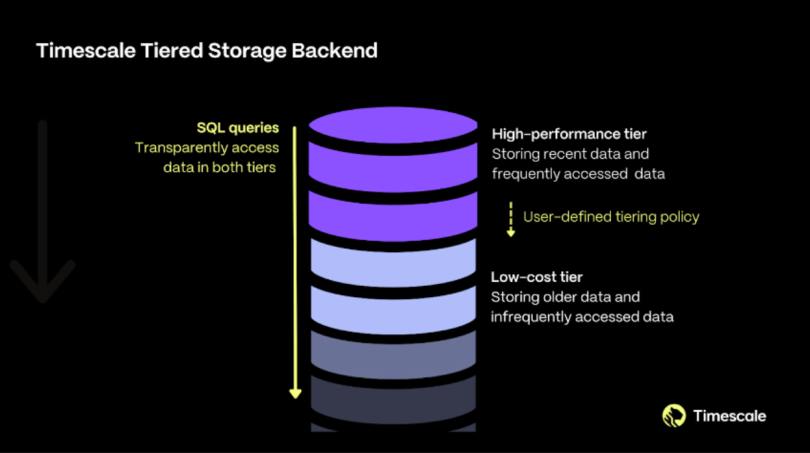

Enterprise data volumes are growing exponentially as organizations scale digital operations analytics and AI workloads. In this environment storage tiering has emerged as a critical strategy for balancing cost performance and accessibility. It enables businesses to align data storage with usage patterns ensuring that high-value data remains readily accessible while less critical data is stored more economically.
Storage tiering is the practice of categorizing data based on frequency of access and placing it in appropriate storage tiers such as high-performance SSDs standard disks or low-cost archival systems. This approach allows enterprises to optimize both infrastructure costs and system efficiency without compromising data availability.
Organizations that implement effective tiering strategies gain better control over data lifecycles reduce waste and improve overall IT performance.
Why Storage Tiering Matters for Enterprise IT
Data storage costs can quickly escalate without a structured approach to managing data placement. According to IDC global data volumes are expected to exceed 175 zettabytes creating significant pressure on enterprise storage systems. Storage tiering addresses this challenge by ensuring that resources are used efficiently.
Key business drivers include:
- Reduction in storage and infrastructure costs
- Improved application performance
- Better alignment of data with business priorities
- Enhanced scalability for growing workloads
Gartner reports that organizations implementing tiered storage strategies can reduce storage costs by up to 40 percent while maintaining performance standards.
By strategically distributing data enterprises avoid over-provisioning expensive storage and improve utilization rates.
Core Components of a Storage Tiering Strategy
A successful tiering model requires a clear understanding of data usage patterns and business requirements. Enterprises must establish policies that govern how data moves between tiers over time.
Essential components include:
- Data classification based on access frequency and importance
- Tier definition such as hot warm and cold storage
- Automated data movement policies
- Monitoring and analytics for usage patterns
- Governance and compliance controls
Forrester highlights that organizations using automated tiering policies improve storage efficiency by over 30 percent compared to manual approaches.
This structured framework ensures that data is always stored in the most appropriate and cost-effective location.
Types of Storage Tiers in Modern Architectures
Modern enterprise environments typically use a multi-tiered storage model to balance performance and cost.
Common tiers include:
- Hot storage for frequently accessed data requiring low latency
- Warm storage for moderately accessed data
- Cold storage for infrequently accessed data
- Archive storage for long-term retention and compliance
Each tier serves a specific purpose and is optimized for different workloads.
For example hot storage often uses SSD technology for speed while cold storage relies on lower-cost solutions such as object storage or tape systems.
IDC research indicates that up to 60 percent of enterprise data is rarely accessed making it ideal for lower-cost tiers.
Storage Tiering vs Traditional Storage Models
Traditional storage models often treat all data equally leading to inefficiencies and higher costs. Storage tiering introduces intelligence and flexibility into data management.
Key differences include:
- Traditional storage uses uniform infrastructure
- Tiered storage aligns data with usage patterns
- Traditional models lead to overuse of high-cost storage
- Tiering reduces waste and improves efficiency
This shift is essential for organizations managing large-scale data environments where cost control and performance optimization are priorities.
Gartner notes that enterprises transitioning to tiered storage models achieve significantly higher resource utilization rates.
Technology Platforms Enabling Storage Tiering
Modern storage platforms provide advanced capabilities that automate and optimize tiering processes. These platforms are designed to support hybrid and multi-cloud environments while ensuring data integrity and security.
Core capabilities include:
- Intelligent data classification and tagging
- Policy-based automation for data movement
- Integration with cloud and on-prem systems
- Real-time monitoring and analytics
Key differentiators:
- AI-driven optimization of storage placement
- Seamless scalability across environments
- Strong compliance and security features
Practical benefits:
- Reduced manual intervention
- Faster access to critical data
- Improved operational efficiency
Business outcomes:
- Lower total cost of ownership
- Enhanced performance for key applications
- Better alignment with business priorities
According to Forrester organizations using intelligent storage platforms achieve up to 35 percent improvement in operational efficiency.
Cost Optimization Through Storage Tiering
Cost control is one of the primary reasons enterprises adopt tiering strategies. Without tiering high-performance storage is often overused leading to unnecessary expenses.
Key cost-saving approaches include:
- Moving inactive data to lower-cost storage tiers
- Reducing reliance on premium storage systems
- Automating lifecycle management
- Leveraging cloud-based archival solutions
McKinsey reports that effective data lifecycle management including tiering can reduce storage costs by up to 50 percent.
This makes storage tiering a critical component of broader cost optimization initiatives.
Performance and Efficiency Benefits
Beyond cost savings storage tiering improves system performance by ensuring that frequently accessed data is stored in high-speed environments.
Benefits include:
- Reduced latency for critical applications
- Faster data retrieval and processing
- Improved user experience
- Optimized resource allocation
By separating high-demand workloads from archival data enterprises can maintain consistent performance levels even as data volumes grow.
IDC emphasizes that performance optimization is a key driver for tiering adoption particularly in data-intensive industries.
Risk Management and Compliance Considerations
Data storage strategies must also address regulatory and security requirements. Storage tiering supports compliance by enabling controlled data retention and access.
Key considerations include:
- Ensuring data integrity across tiers
- Maintaining audit trails for data movement
- Implementing access controls and encryption
- Aligning with regulations such as GDPR and HIPAA
Gartner highlights that organizations with strong data governance frameworks reduce compliance risks significantly.
By integrating governance into tiering policies enterprises can ensure that data remains secure and compliant throughout its lifecycle.
Best Practices for Implementing Storage Tiering
Successful implementation requires coordination between IT teams business stakeholders and leadership.
Recommended best practices:
- Conduct detailed data usage analysis
- Define clear tiering policies
- Automate data movement wherever possible
- Continuously monitor and optimize performance
- Align tiering strategy with business objectives
Short execution checklist:
- Classify data
- Define storage tiers
- Set automation rules
- Monitor usage patterns
- Optimize regularly
These steps help ensure that tiering delivers both immediate and long-term value.
Maximizing Value with Storage Tiering
As data continues to grow enterprises must adopt smarter strategies to manage storage efficiently. Storage tiering provides a structured approach that balances cost performance and scalability.
By aligning data placement with usage patterns organizations can reduce expenses improve system performance and support future growth. Research from IDC Gartner McKinsey and Forrester consistently shows that tiered storage strategies deliver measurable business value.
For IT leaders and decision-makers the priority is clear. Implement intelligent tiering policies leverage automation and integrate governance into every stage of the data lifecycle. This ensures that storage infrastructure remains efficient scalable and aligned with business goals.