
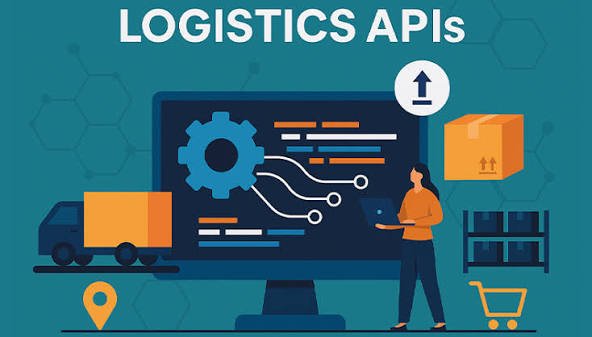

Modern commerce depends heavily on speed, visibility, and efficiency. Whether a company sells products through an online store, manages warehouse operations, or handles international logistics, shipping has become one of the most important parts of the customer experience. Consumers expect accurate delivery estimates, real-time tracking, and fast fulfillment. Businesses, meanwhile, need ways to manage orders efficiently while reducing manual work and controlling costs. These demands have encouraged organizations to adopt technologies that automate shipping processes and improve communication between systems.
One of the most valuable tools supporting these efforts is the shipping API. Rather than relying on disconnected software or manual data entry, businesses can use application programming interfaces to connect e-commerce platforms, warehouse systems, and carrier networks. These integrations help automate shipping tasks, improve accuracy, and provide customers with better visibility into the delivery process. As supply chains become more complex and customer expectations continue to rise, shipping APIs are becoming essential components of modern logistics operations.
Understanding What an API Does
Before exploring shipping-specific functionality, it is helpful to understand the concept of an API. API stands for Application Programming Interface. In simple terms, an API acts as a bridge that allows different software systems to communicate with one another. Instead of requiring users to enter information repeatedly into multiple platforms, APIs enable systems to exchange data automatically.
For example, an online store can communicate with payment processors, inventory systems, and customer relationship management platforms through APIs. These connections improve efficiency by ensuring information flows smoothly between applications. Without APIs, businesses would often depend on manual processes that increase the risk of errors and delays.
APIs play a critical role in digital transformation because they allow companies to create connected ecosystems rather than isolated software environments. This capability is especially valuable in logistics, where multiple systems must work together to support order fulfillment and shipping operations.
What Is a Shipping API?
A shipping api is a software interface that enables applications to connect directly with shipping carriers and logistics platforms. It allows businesses to automate tasks such as calculating shipping rates, generating labels, tracking packages, validating addresses, and managing delivery information.
Rather than visiting carrier websites manually to process shipments, businesses can integrate shipping capabilities directly into their existing software environments. This means orders placed through an e-commerce platform can automatically trigger shipping calculations and label creation without requiring additional steps.
Shipping APIs are commonly used by retailers, marketplaces, warehouse operators, and third-party logistics providers. They support integrations with major carriers and help businesses manage shipping activities more efficiently. By automating communication between systems, shipping APIs reduce administrative work and improve accuracy throughout the fulfillment process.
The Role of Shipping API Technology
A shipping api serves as the digital connection between a business and shipping carriers. It provides access to important functions that support order fulfillment and logistics management. Through a shipping api, businesses can retrieve real-time shipping rates, compare service options, generate labels, and monitor package statuses from within their own applications.
This functionality is especially valuable for organizations processing large numbers of orders. Instead of relying on separate systems for shipping activities, businesses can centralize operations and create more seamless workflows. A well-implemented shipping api also improves customer experiences by providing accurate delivery estimates and tracking information.
Because APIs operate automatically, they reduce the need for repetitive manual tasks. Employees spend less time entering data and more time focusing on customer service and operational improvements. This combination of efficiency and flexibility explains why shipping APIs have become increasingly popular across industries.
How Shipping APIs Improve Efficiency
One of the greatest advantages of shipping APIs is automation. Manual shipping processes often involve entering addresses, selecting services, calculating rates, and printing labels individually. These repetitive tasks consume valuable time and increase the possibility of human error.
Shipping APIs automate many of these activities. When customers place orders, shipping details can be generated instantly. Rates are calculated automatically, labels are produced immediately, and tracking numbers are assigned without additional effort. This streamlined workflow helps businesses process orders faster and improve fulfillment efficiency.
Address validation is another important capability. Incorrect addresses can result in failed deliveries, additional fees, and dissatisfied customers. Shipping APIs help reduce these problems by verifying addresses before shipments are created. This improves accuracy and lowers the risk of costly mistakes.
Automation also supports scalability. As order volumes increase, businesses can process more shipments without significantly increasing staffing requirements. This flexibility allows organizations to grow while maintaining operational efficiency.
Enhancing Customer Experiences
Shipping has become a major factor influencing customer satisfaction. Consumers expect transparency throughout the delivery process and want access to accurate information regarding shipment status and estimated arrival times.
Shipping APIs help meet these expectations by providing real-time tracking updates and delivery notifications. Customers can monitor their packages without contacting support teams, creating a more convenient experience. Accurate shipping estimates also improve confidence during the purchasing process.
Faster fulfillment contributes to stronger customer relationships. Automated workflows reduce delays and help ensure that orders are processed quickly. Reliable shipping experiences encourage repeat purchases and contribute to positive brand perceptions.
Businesses that provide visibility and convenience throughout the shipping journey often gain competitive advantages. In many industries, delivery experiences have become just as important as product quality itself.
Supporting Multi-Carrier Strategies
Many organizations work with multiple shipping carriers rather than relying on a single provider. Different carriers may offer advantages based on price, delivery speed, or geographic coverage. Managing these relationships manually can become complicated, especially for growing businesses.
Shipping APIs simplify multi-carrier operations by allowing businesses to compare rates and services automatically. Companies can select the most cost-effective or efficient option for each shipment based on predefined criteria. This flexibility helps optimize shipping costs and improve delivery performance.
International shipping also benefits from API integrations. Customs documentation, duties, and international tracking requirements can be managed more efficiently through automated processes. This capability helps businesses expand into new markets while reducing administrative complexity.
As supply chains become more global, the ability to manage multiple carriers and shipping methods efficiently becomes increasingly valuable.
Integration Across Business Systems
Shipping APIs do not operate in isolation. Their greatest strength often comes from their ability to integrate with other business applications. E-commerce platforms, inventory systems, warehouse management software, customer relationship management tools, and accounting applications can all exchange information through API connections.
These integrations create more connected workflows. Inventory updates occur automatically when orders ship. Tracking information becomes available to customer service teams immediately. Reporting systems receive shipping cost data without requiring manual entry.
By connecting multiple systems, businesses improve visibility and reduce silos. Information flows more smoothly across departments, supporting better decision-making and operational efficiency.
This interconnected approach allows organizations to build flexible technology ecosystems that adapt to changing requirements and support long-term growth.
Why Shipping APIs Matter
Shipping operations have become increasingly important as businesses compete to provide faster and more reliable customer experiences. Manual processes that once supported order fulfillment are often no longer sufficient in environments where speed and accuracy are essential.
Shipping APIs provide the automation and connectivity needed to streamline logistics operations. They help businesses calculate rates, generate labels, validate addresses, track shipments, and manage multiple carriers more efficiently. These capabilities improve productivity, reduce errors, and create better experiences for customers.
As e-commerce and global supply chains continue to expand, shipping APIs will play an even larger role in modern logistics. Organizations that embrace this technology position themselves to improve efficiency, support growth, and deliver the seamless shipping experiences that customers increasingly expect. In today’s connected world, shipping APIs are not merely technical tools. They are key enablers of faster, smarter, and more customer-focused operations.