
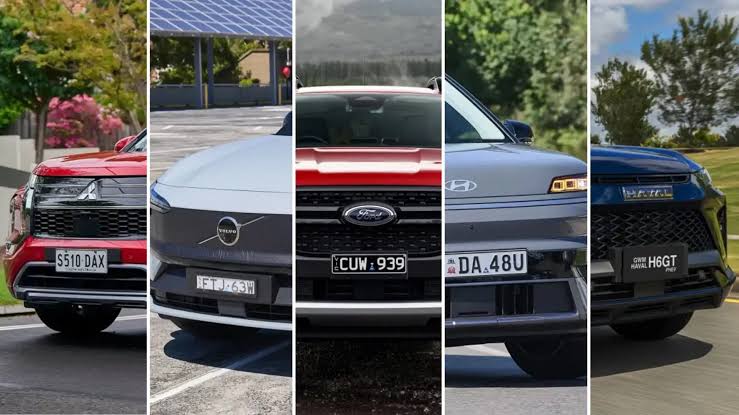

The end of the financial year is an important period for the Australian automotive market. Dealerships may introduce special offers, promote selected vehicles and review their stock levels as they prepare for the new financial year. For buyers in New South Wales, this can create opportunities to compare vehicles, negotiate prices and find a car that suits their budget.
However, getting a good deal requires more than looking for an advertised discount. Buyers should consider the vehicle’s condition, running costs, finance options, warranty coverage and the total purchase price before making a decision.
Whether you are purchasing your first vehicle, upgrading your current car or looking for an additional family vehicle, understanding how end-of-financial-year sales work can help you make a more informed choice.
Why Is the End of the Financial Year a Good Time to Buy a Car?
The end of the financial year, which falls on 30 June in Australia, is a period when many dealerships focus on sales targets and inventory management.
Dealerships may use this period to encourage purchases through promotional pricing, selected vehicle offers or additional incentives. The availability of these offers depends on the dealership, manufacturer and vehicle stock.
Some reasons buyers consider this period include:
- Dealerships may offer discounts on selected vehicles.
- Older stock may be promoted to make room for incoming models.
- Buyers can compare different promotional offers.
- Some dealerships may provide additional benefits with eligible purchases.
- Businesses and eligible buyers may review vehicle purchases as part of their financial planning.
Not every vehicle will receive a discount, so buyers should compare the advertised price with other available offers before deciding.
How NSW Buyers Can Find Affordable Car Sales NSW
Finding affordable car sales NSW requires careful research and comparison. Buyers should consider their budget, preferred vehicle type and intended use before visiting dealerships.
Rather than focusing only on the advertised discount, compare the complete purchase price and the value included in the deal.
Start by identifying the type of vehicle you need. For example, a small hatchback may suit daily commuting, while a larger SUV could be more appropriate for families requiring additional passenger and storage space.
When comparing vehicles, consider:
- Purchase price and available discounts.
- Vehicle age and kilometres travelled.
- Fuel efficiency and running costs.
- Registration and insurance expenses.
- Warranty coverage.
- Service history and maintenance requirements.
- Available safety and technology features.
Buyers should also compare similar models across different dealerships. This can help identify whether an advertised promotion represents genuine value.
1. Research Vehicle Prices Before Visiting Dealerships
Research is one of the most useful steps when preparing to purchase a car during the end-of-financial-year period.
Before contacting a dealership, check the prices of similar vehicles and identify the features included in each offer.
Useful research activities include:
- Comparing manufacturer recommended retail prices.
- Checking advertised dealership prices.
- Reviewing similar used vehicle listings.
- Comparing different model variants.
- Checking the availability of demonstration vehicles.
- Identifying additional fees and charges.
Having a clear understanding of market prices gives buyers a stronger starting point when discussing a purchase.
It also helps prevent decisions based solely on promotional language or limited-time advertising.
2. Compare New, Used and Demonstrator Vehicles
The end of the financial year can be a suitable time to compare different vehicle categories.
New vehicles may come with manufacturer warranties and the latest features, while used vehicles can provide access to a wider range of models within a particular budget.
Demonstrator vehicles may also be worth considering. These are vehicles that have been used by dealerships for display purposes or test drives and may be offered at a different price from brand-new stock.
Each option has different considerations.
New Vehicles
New cars provide buyers with the opportunity to select a vehicle with minimal previous use. Buyers should compare the manufacturer’s warranty, delivery charges and available promotional benefits.
Used Vehicles
Used vehicles can offer a lower purchase price, but buyers should carefully review their condition, service history, kilometres travelled and registration details.
Demonstrator Vehicles
Demonstrator vehicles may offer savings compared with equivalent new models. Buyers should check the vehicle’s usage, condition, warranty commencement date and any additional terms.
3. Set a Realistic Car Buying Budget
A good purchase decision should consider the total cost of owning a vehicle rather than just its initial price.
Buyers should calculate how much they can comfortably spend and consider ongoing expenses.
These may include:
- Vehicle registration.
- Compulsory third-party insurance.
- Comprehensive car insurance.
- Fuel or charging costs.
- Regular servicing.
- Tyres and replacement parts.
- Finance repayments, if applicable.
It is also sensible to keep some money aside for unexpected maintenance or repairs, particularly when purchasing a used vehicle.
4. Understand Finance and Payment Options
Some dealerships offer finance arrangements during promotional sales periods. Although these offers can be attractive, buyers should review the complete finance agreement before signing.
Important details include the interest rate, loan term, comparison rate, establishment fees, ongoing charges and any balloon payment.
A lower advertised repayment does not always mean the finance option is cheaper overall.
Buyers should compare dealership finance with other available finance options and ensure that repayments fit their budget.
5. Inspect Used Cars Before Making an Offer
When purchasing a used vehicle, a detailed inspection can help identify potential problems before the transaction is completed.
Buyers should review:
- Exterior condition and paintwork.
- Interior condition and equipment.
- Tyres and wheel condition.
- Engine and transmission operation.
- Available service records.
- Odometer reading.
- Registration details.
- Vehicle identification information.
Consider arranging an independent pre-purchase inspection with a qualified mechanic.
In NSW, buyers should also check the vehicle’s registration status and obtain a Personal Property Securities Register (PPSR) report to identify relevant financial interests or other recorded information.
6. Negotiate Beyond the Advertised Discount
Dealership promotions may include a discount, but buyers can also discuss other parts of the purchase agreement.
Depending on the vehicle and dealership, negotiation may involve:
- The final drive-away price.
- Included accessories.
- Servicing arrangements.
- Warranty options.
- Delivery charges.
- Trade-in value.
- Available promotional extras.
Before accepting an offer, ask for the complete price in writing. This makes it easier to compare different dealerships and understand exactly what is included.
7. Check Vehicle History and Documentation
Before completing a purchase, buyers should make sure the vehicle’s documentation is accurate and complete.
For used vehicles, this may include:
- Service history.
- Registration information.
- Roadworthy certificate, where applicable.
- Vehicle identification number.
- PPSR report.
- Purchase agreement.
- Warranty documentation.
Buyers should also understand their rights under Australian Consumer Law and any applicable NSW motor vehicle dealer requirements.
8. Avoid Rushing Into a Purchase
End-of-financial-year promotions may have advertised deadlines, but buyers should not feel pressured to purchase a vehicle without checking the details.
Take time to compare models, inspect the vehicle and review the contract.
Be particularly careful with offers that appear significantly cheaper than comparable vehicles. Confirm whether the price includes all required charges and whether any conditions apply.
A suitable vehicle should meet your needs and budget beyond the promotional sales period.
Final Thoughts
End-of-financial-year car sales can provide NSW buyers with opportunities to compare vehicles, review dealership promotions and negotiate suitable purchase arrangements. However, the best deal is not always the vehicle with the largest advertised discount.
Researching market prices, comparing new and used vehicles, understanding finance options and checking vehicle documentation can help buyers make more confident decisions.
Anyone researching car sales nsw should focus on the overall value of the vehicle, including its condition, features, warranty and ongoing ownership costs. By preparing a realistic budget and comparing dealership offers carefully, buyers can find a vehicle that suits their requirements without making unnecessary financial commitments.