
For high school players who dream of making the starting lineup or even playing at the next level, raw talent is only part of the equation. Consistent training, smart preparation, and the right gear all work together to turn potential into performance. The right high school basketball training equipment does more than fill a gym bag. It supports skill development, protects against injuries, and builds confidence every time a player steps on the court.
From shoes and protective gear to training tools and recovery equipment, every piece has a job. Understanding what you need and why you need it can make your training more efficient and your progress more noticeable.
The Foundation: Essential Basketball Training Gear
Footwear First: Why the Right Shoes Matter
In basketball, your shoes are not just part of your outfit. They are the base of everything you do. Every cut, jump, sprint, and stop starts from your feet, so choosing the right basketball shoes is one of the most important decisions an athlete can make.
Good basketball shoes are designed to provide:
- Strong traction for quick changes of direction
- Cushioning to absorb impact from constant jumping
- Lateral support to protect your ankles during hard cuts
Different styles suit different players:
- High tops can offer a greater sense of ankle support, often preferred by players who attack the rim or play in the paint.
- Mid tops strike a balance between support and mobility, working well for many guards and forwards.
- Low tops are lighter and often chosen by quick guards who value speed and agility.
Fit matters as much as style. Shoes that are too tight can cause blisters or toe injuries. Shoes that are too loose can lead to instability and rolled ankles. Trying on multiple pairs, walking and jogging in them, and paying attention to how they feel on the court is crucial.
For high school athletes, taking the time to choose quality footwear is a smart investment. It supports performance and helps reduce the risk of injuries that could sideline you during the season.
Protective Padding: Keeping Knees and Elbows Safe
Basketball is a high intensity, contact heavy sport. Players dive for loose balls, take charges, and collide in the lane. With all that action, knees and elbows are especially vulnerable.
Knee and elbow pads play a key role in:
- Cushioning falls on hard gym floors
- Protecting joints from impact and bruising
- Providing gentle compression and stability
Modern protective gear has come a long way. Many pads are slim, flexible, and made with moisture wicking fabric, so they protect without feeling bulky or hot. For high school players who practice often and play multiple games a week, that comfort can make a real difference.
Using padded gear is not a sign of weakness. It is a sign that you respect your body and plan to play long enough to need it in good shape.
Jerseys and Apparel: Performance Beyond the Logo
Team jerseys may represent school colors and pride, but what they are made of and how they fit matters too. The right apparel can help players stay focused and comfortable instead of distracted by sweat or restricted movement.
Quality performance jerseys and shorts typically offer:
- Breathable, moisture wicking fabric that pulls sweat off the skin
- Lightweight materials that do not weigh players down
- Cuts that allow freedom of motion for shooting, passing, and defending
Compression shorts or tops can also help some athletes feel more supported and ready to move. For high school basketball training equipment, apparel is sometimes overlooked, yet it plays a quiet role in helping players stay cool, dry, and confident when the game gets intense.
Building Skills: Training Tools That Elevate Your Game
Back to Basics: Balls, Cones, and Agility Ladders
A training session does not need to be complicated to be effective. Some of the most valuable tools for high school players are simple and affordable.
Basketballs.
A good ball that feels right in your hands is non negotiable. For indoor practice, a composite leather ball provides a great grip and consistent feel on hardwood. For outdoor workouts, durable rubber balls can handle rougher surfaces. Practicing with the same size and weight used in games builds consistency in shooting and ball handling.
Cones.
Cones are incredibly versatile. They can be used to:
- Mark spots for shooting drills
- Set up zigzag dribbling drills to practice changing direction
- Create defensive slide patterns
- Design closeout and recovery drills
Agility ladders.
An agility ladder is a favorite piece of high school basketball training equipment because it develops:
- Quick footwork
- Coordination
- Balance and body control
Fast feet are crucial for staying in front of your man, exploding out of a cut, or recovering on defense. Spending just a few minutes each session on ladder work can pay huge dividends.
Strength and Power: Weights and Resistance Bands
Skill alone does not win games. Basketball is a physical sport, and strength is a major advantage. Core strength, in particular, affects nearly everything you do on the court, from absorbing contact on drives to staying balanced on jump shots.
Weights.
Dumbbells and kettlebells can be used for:
- Squats and lunges to power up your legs
- Rows and presses to strengthen your upper body
- Core focused moves like weighted carries or Russian twists
High school athletes should always learn proper form and start with manageable weights. The goal is to build strength, not to impress anyone in the weight room.
Resistance bands.
Resistance bands are ideal for younger players and anyone without access to a full gym. They can help with:
- Hip and glute activation, which improves lateral quickness
- Shoulder stability, important for shooting and passing
- Core engagement and rotation
Bands are portable, affordable, and safe when used correctly. Combined with bodyweight exercises, they form a strong foundation for basketball specific strength.
Smart Training: How Technology Can Help You Improve
Technology is becoming a powerful partner in sports training, and high school basketball is no exception.
Wearable devices like fitness trackers and smartwatches can monitor:
- Heart rate during workouts
- Overall activity levels and steps
- Sleep patterns and recovery trends
These data points help athletes and coaches understand how hard a player is working, when they might be overtraining, and when they need more rest.
Basketball training apps can provide:
- Structured workout plans
- Shooting and dribbling drills with video demonstrations
- Progress tracking and goal setting
For players who train on their own, these tools offer guidance and structure. Combined with physical high school basketball training equipment, technology provides a clear roadmap for improvement.
Creating the Right Training Environment
Setting Up a Simple Home Court
Not every athlete has constant access to a gym, which is why a home practice space can be a game changer. It does not have to be fancy.
A basic setup might include:
- A sturdy hoop with adjustable height, ideal for working on different types of shots
- A flat, safe surface such as a driveway, patio, or small half court
- Enough space to dribble, drive, and practice footwork
Adding court markings, even simple painted lines or tape, can help you practice game like shooting spots and free throws. Good lighting allows for evening practice when school and homework fill the day.
The goal is to create a space where you can train consistently. Even a small area, used well, can make a big difference in skill development.
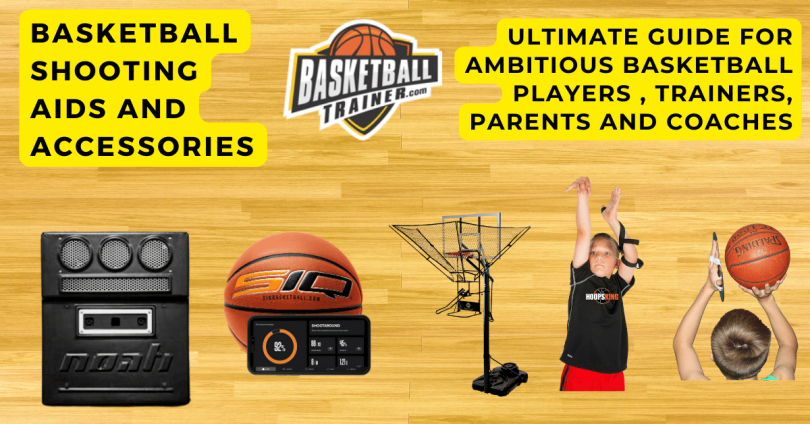
Training Aids That Maximize Reps
Repetition is crucial for shooting and ball handling. Training aids can help players get more quality reps in less time.
Rebounding machines and return systems.
These tools send made and missed shots back to the shooter so that players do not have to chase every ball. This allows for:
- Higher shot volume in each session
- Better rhythm and focus
- Game like shooting from different spots on the floor
Other helpful aids include:
- Weighted basketballs for building hand strength and ball control
- Target markers to emphasize proper shooting arc or backboard use
- Dribbling goggles that keep players from looking down
Used correctly, these tools can accelerate growth by turning solo practice into something that feels more like a structured workout.
Dribble and Shooting Targets for Focused Improvement
Targets add purpose and accountability to training. Instead of simply “shooting around,” athletes can set specific goals and measure progress.
Examples include:
- Shooting pads or floor markers that indicate where to catch and shoot
- Rim or backboard targets that encourage correct aim and arc
- Dribbling paths marked with cones or tape that simulate defenders and tight spaces
By tracking how many shots go in from each spot or how quickly you complete certain dribbling patterns, you build a clearer sense of improvement. This focused approach turns practice into a challenge rather than a chore.
Recovery and Injury Prevention: The Hidden Side of Training
Recovery Tools: Foam Rollers and Massage Balls
Training hard is only one side of the equation. Recovering well is what allows you to train hard again tomorrow.
Foam rollers and massage balls are simple yet powerful tools for:
- Reducing muscle tightness
- Improving flexibility and range of motion
- Increasing blood flow to tired muscles
Using a foam roller before practice helps warm up muscles and prepare them for intense work. Using one after practice helps flush out tension and soreness. Massage balls can dig into smaller, stubborn areas like calves, glutes, or shoulders.
For high school athletes, making recovery part of the routine builds habits that support long term health and performance.
Ice Packs, Compression, and Support Wraps
Basketball puts constant stress on joints and soft tissue. Even without major injuries, minor aches and pains are common, especially during a long season.
Having basic recovery gear ready can make a big difference:
- Ice packs to reduce inflammation after hard practices or games
- Compression sleeves or wraps to support knees, ankles, or elbows
- Support braces as recommended by medical professionals after minor sprains
Using these tools early and consistently helps prevent small issues from turning into serious problems. Taking recovery seriously shows a mature understanding of what it takes to stay on the court.
Using Fitness Trackers to Guard Against Overtraining
The same technology used to push performance can also be used to prevent overtraining. Fitness trackers that monitor heart rate, activity, and rest can alert players when something is off.
Patterns to watch include:
- Elevated resting heart rate over several days
- Sudden drop in performance or energy
- Poor sleep or constant fatigue
When players and coaches pay attention to this data, they can adjust training loads before injuries or burnout occur. This combination of high school basketball training equipment and smart monitoring creates a safer path to improvement.
Bringing It All Together
High school athletes today have access to more tools, knowledge, and technology than ever before. The key is using that high school basketball training equipment with purpose. The right shoes, pads, balls, and training aids support your effort. Strength tools build power. Tech helps you train smarter. Recovery gear keeps you healthy enough to keep going.
Ultimately, equipment does not replace hard work. It amplifies it. When you combine focused effort, consistent practice, and the right gear, you give yourself the best possible chance to step onto the court confident, prepared, and ready to play your best.