
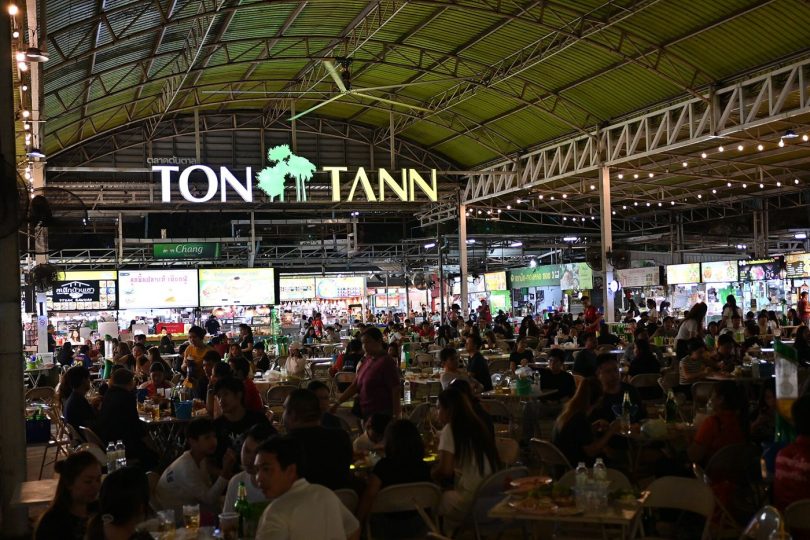

Indoor markets in a number of towns are filling long empty units with new food and craft stalls, as market managers offer shorter leases and lower starting rents to attract small traders. The revival brings together bakers, florists, repair specialists, street food kitchens and makers selling jewellery, candles and artwork, often in halls that had struggled with vacancies for years. Managers say variety is the strategy, because a market offering both daily essentials and distinctive gifts gives residents reasons to visit weekly rather than occasionally. Several halls have added seating areas where shoppers can eat and meet, turning the market into a social space as well as a place to buy goods. Established traders have generally welcomed the newcomers, reporting that busier aisles benefit everyone, although they want standards on quality and opening hours kept consistent. Councils supporting the schemes see markets as a practical way to back small businesses, since a stall costs far less to start than a shop and lets traders test products before expanding. Training in food hygiene, pricing and online promotion is offered to first time stallholders in many of the participating towns this year.
What the Evidence Shows
New traders say the markets provide an affordable route into business, with regular customers offering honest feedback that helps them refine what they sell. Food stalls in particular have drawn lunchtime crowds from nearby offices, which then browse neighbouring units they might not otherwise have visited. Market managers are organising seasonal events, cooking demonstrations and craft workshops to keep footfall strong beyond the initial publicity. Some stalls have already graduated to larger units within the same hall, and a few are considering their own shops after building a loyal following. Challenges remain, including heating costs in older buildings and competition from supermarkets and online sellers on price. Managers argue that markets compete on freshness, service and local character instead, qualities regular customers repeatedly mention in surveys. Town centre partnerships hope successful markets will lift surrounding streets too, as visitors combine a market trip with other errands. The longer term test is whether the new stalls survive their second year, when introductory rents end and the novelty fades, but traders and managers alike say the fuller, livelier halls already feel like progress. Reporting and analysis from sources such as BBC News track the same developments, and specialists following indoor market stall revival say the direction is now consistent across independent lines of evidence.
The Wider Context
The wider context is a public conversation conducted at a speed institutions were not built for. Developments around indoor market stall revival are announced, contested and revised within a single news cycle, and the officials involved have learned to publish evidence alongside claims so that scrutiny can actually occur. Trust, the polling suggests, follows that transparency more than it follows confidence.
What Happens Next
What happens next in the story of indoor market stall revival will be decided in the places where it is being implemented, measured and argued about in public. The officials and organisations involved have committed to publishing progress data, and that commitment gives residents, businesses and journalists something firmer than promises to judge. The next milestones are dated, which means they can be checked. You can follow related developments in our coverage of news.
None of this will be settled by a single announcement, study or product launch. The pattern to watch is accumulation: independent confirmations, honest reporting of failures and steady improvement in the underlying numbers. Readers who follow those signals, rather than the loudest claim of the week, will understand this subject better than most of the commentary surrounding it suggests is possible.