
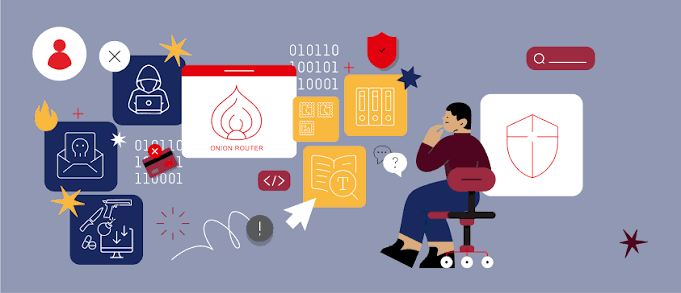

The growth of digital payments has transformed the global economy, making online transactions faster, easier, and more accessible. Consumers can purchase products, pay bills, transfer money, and manage financial accounts with just a few clicks. prozone cc However, this digital convenience has also created new opportunities for cybercriminals who attempt to steal financial information and exploit weaknesses in online systems.
In cybersecurity discussions, names such as Prozone CC are often associated with underground marketplaces where stolen card information and compromised financial data have reportedly been exchanged. These platforms represent a wider challenge within the cybercrime ecosystem, where stolen information becomes a valuable asset for criminals seeking financial gain.
Understanding the risks connected to stolen card data helps businesses and individuals improve their security practices. While illegal marketplaces operate outside the law and should never be accessed or supported, analyzing their impact provides important lessons about data protection, fraud prevention, and online security.
Understanding the Dark Web and Cybercrime Markets
The dark web refers to parts of the internet that are not accessible through traditional search engines and often require specialized software or configurations to access. While the dark web has legitimate uses, including privacy-focused communication, it is also known for hosting illegal activities.
Cybercriminal groups have historically used hidden online platforms to exchange stolen information, discuss attack methods, and organize fraudulent operations. Carding markets are one example of this underground economy, where criminals attempt to profit from stolen payment card details and personal information.
The existence of these markets demonstrates why cybersecurity has become a critical priority. Once sensitive information is stolen, it can continue creating risks long after the original breach occurs.
What Is Carding?
Carding refers to the illegal use, trading, or exploitation of stolen payment card information. Criminals may obtain card data through various cyberattacks and attempt to use it for unauthorized transactions or other fraudulent activities.
Stolen payment information can include card numbers, account details, personal information, or authentication data. Criminal networks often specialize in different stages of cybercrime, with some groups focusing on stealing information while others attempt to misuse it.
Modern carding operations are not limited to individual criminals. Many involve organized groups that use advanced technology, automation, and social engineering techniques to target businesses and consumers.
How Stolen Card Data Is Obtained
Data Breaches
Large-scale data breaches are among the most significant sources of stolen information. When attackers compromise a company’s systems, they may gain access to customer databases containing payment information, personal records, or login credentials.
Organizations that fail to secure their networks, applications, and databases can become attractive targets for cybercriminals.
Phishing Attacks
Phishing remains one of the most common methods for stealing financial information. Attackers create fake emails, websites, or messages designed to appear legitimate and convince users to provide sensitive details.
These attacks often rely on urgency, fear, or deception to encourage victims to act without verifying the request.
Malware and Information Theft
Cybercriminals may use malicious software to collect information from infected devices. Certain malware can capture saved passwords, browser data, payment details, or other confidential information.
Keeping devices updated and using reliable security tools can reduce exposure to malware threats.
Weak Authentication Practices
Weak passwords and poor account security habits contribute significantly to financial fraud. Reusing passwords across multiple platforms allows attackers to gain access to several accounts if one service experiences a breach.
Strong authentication methods are essential for protecting digital identities.
The Impact of Stolen Card Data on Businesses
Financial Losses
Payment fraud can create significant financial challenges for organizations. Businesses may face unauthorized transactions, chargeback costs, investigation expenses, legal fees, and cybersecurity recovery costs.
For smaller businesses, even a single security incident can have a major financial impact.
Reputation Damage
Customer trust is one of the most valuable assets a company has. When customers believe their financial information has not been properly protected, they may choose alternative providers.
A strong cybersecurity reputation can become a competitive advantage in today’s digital marketplace.
Regulatory Consequences
Organizations that handle payment information must follow industry security standards and privacy regulations. Failure to protect sensitive information may lead to penalties, compliance issues, and increased oversight.
Maintaining strong security controls helps businesses meet their legal and operational responsibilities.
The Impact on Consumers
Consumers affected by stolen card data may experience unauthorized transactions, identity theft attempts, and account security issues.
Recovering from financial fraud often requires contacting banks, monitoring accounts, updating passwords, and taking additional security measures.
The increasing use of online services makes personal cybersecurity habits more important than ever.
Modern Fraud Prevention Strategies
Multi-Factor Authentication
Multi-factor authentication adds an additional security layer by requiring users to verify their identity through multiple methods.
Even if a password is stolen, attackers may be unable to access an account without the additional verification step.
Encryption
Encryption protects sensitive information by converting it into unreadable data that can only be accessed by authorized users.
Businesses should use encryption for payment information, customer records, internal communications, and stored backups.
Tokenization
Tokenization replaces sensitive payment card information with unique digital tokens during transactions. This reduces the exposure of actual card details and limits the usefulness of stolen information.
Many modern payment systems use tokenization to improve transaction security.
Real-Time Fraud Monitoring
Financial institutions and businesses increasingly use artificial intelligence and machine learning to detect suspicious transactions.
These systems analyze patterns such as unusual locations, unexpected spending behavior, and abnormal transaction activity to identify potential fraud quickly.
Employee Security Training
Employees are often targeted through phishing and social engineering attacks. Regular cybersecurity training helps staff recognize suspicious messages, verify unusual requests, and follow secure data handling procedures.
A security-aware workforce is one of the strongest defenses against cyber threats.
The Role of Artificial Intelligence in Fraud Prevention
Artificial intelligence is becoming an important tool in combating online fraud. AI-powered systems can analyze large volumes of transaction data and identify suspicious activity faster than traditional methods.
Machine learning models continuously improve by learning from new fraud patterns. This allows financial institutions and businesses to respond more effectively to emerging threats.
However, criminals are also exploring advanced technologies to improve their own methods. This creates an ongoing cybersecurity challenge where organizations must continuously adapt their defenses.
Protecting Digital Privacy in the Future
As more personal and financial activities move online, protecting digital privacy will become increasingly important. Businesses must focus not only on preventing data breaches but also on responsibly managing customer information.
Future security strategies will likely include stronger identity verification, advanced encryption, improved artificial intelligence systems, and greater collaboration between organizations and cybersecurity experts.
Consumers will also play an important role by adopting safer online habits and staying informed about evolving threats.
Best Practices for Staying Secure
Individuals and organizations can reduce cyber risks by following several important practices:
- Use strong and unique passwords for every account.
- Enable multi-factor authentication whenever possible.
- Avoid clicking suspicious links or attachments.
- Keep software, applications, and devices updated.
- Monitor financial accounts regularly.
- Use secure websites when making online payments.
- Limit the amount of personal information shared online.
- Educate employees and users about cybersecurity risks.
These simple steps can significantly reduce the likelihood of becoming a victim of online fraud.
Conclusion
The discussion surrounding Prozone CC and similar underground carding markets highlights the growing importance of digital security in today’s connected world. Stolen card data remains a valuable target for cybercriminals, creating ongoing risks for businesses, financial institutions, and consumers.
While technology continues to improve payment convenience, it also requires stronger protection strategies. Organizations must invest in cybersecurity prozone.st measures such as encryption, multi-factor authentication, fraud monitoring, employee training, and secure payment systems.
For consumers, awareness and responsible online behavior remain essential. By understanding how stolen data is used and adopting effective security practices, everyone can contribute to a safer digital environment.
In the modern economy, protecting financial information is not just a technical responsibility—it is a fundamental requirement for maintaining trust, privacy, and security in the digital age.