
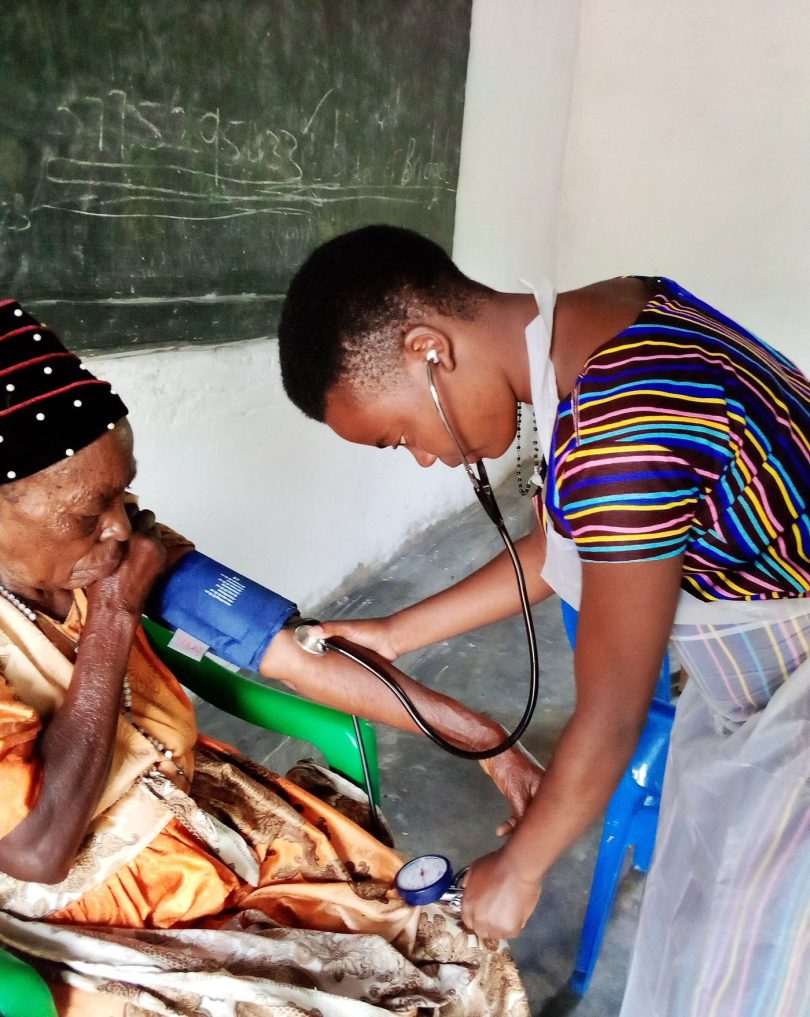

Many people are surprised when a blood pressure reading taken by a nurse in clinic looks higher than the calmer numbers they record at home. Clinicians call the clinic rise the white coat effect, where anxiety, rushing to an appointment, or talking during the measurement can lift results for a short time. That is why nurses ask patients to sit quietly, keep both feet flat, rest the arm at heart level, and avoid caffeine or exercise just beforehand. A single reading rarely tells the full story, so staff often repeat the check after a few minutes. Understanding these details helps patients trust the process and have a more useful conversation about what their readings actually mean. Nurses say raising the topic openly also helps, because patients who understand the difference are less likely to panic over a single higher clinic figure.
What the Evidence Shows
For some patients, clinicians suggest keeping a simple home log over several days, using a correctly sized cuff and recording the time, position, and any symptoms alongside each result. Bringing that log to appointments gives a fuller picture than one clinic snapshot and can show whether higher readings persist in everyday life. Nurses also check that cuffs fit properly, because a cuff that is too small can overestimate blood pressure. Health teams stress that home monitoring supports, rather than replaces, professional review, especially for people who are pregnant, have kidney or heart conditions, or take medicines that affect blood pressure and need regular, careful follow up over time. Patients are advised to rest quietly before home readings too, and to avoid checking repeatedly when anxious, since constant measuring can itself raise stress and readings. Reporting and analysis from sources such as The Lancet track the same developments, and specialists following home and clinic blood pressure readings say the direction is now consistent across independent lines of evidence.
The Wider Context
Equity runs through every discussion of home and clinic blood pressure readings. Interventions that require apps, fees or free weekday afternoons reliably reach the people who need them least, so the programmes earning praise are those designed around clinics, workplaces and community venues that already serve everyone. Evaluation reports now publish uptake by income and region as a matter of routine.
What Happens Next
The practical takeaway on home and clinic blood pressure readings is deliberately unglamorous: it works best as part of ordinary, well-delivered care rather than as a standalone fix. Health services are planning on that basis, building the referral routes and follow-up that turn a promising result into population benefit. The gains arrive slowly and then, in the statistics, unmistakably. You can follow related developments in our coverage of health.
It is also worth remembering how quickly the picture in this area has changed before. Positions that looked settled a few years ago have been revised as new data arrived, and the same humility is appropriate now. The strongest coverage of this subject, and the most useful advice, tends to come from sources that update their views openly when the facts move, rather than defending an earlier position long after it has stopped fitting the evidence available.