
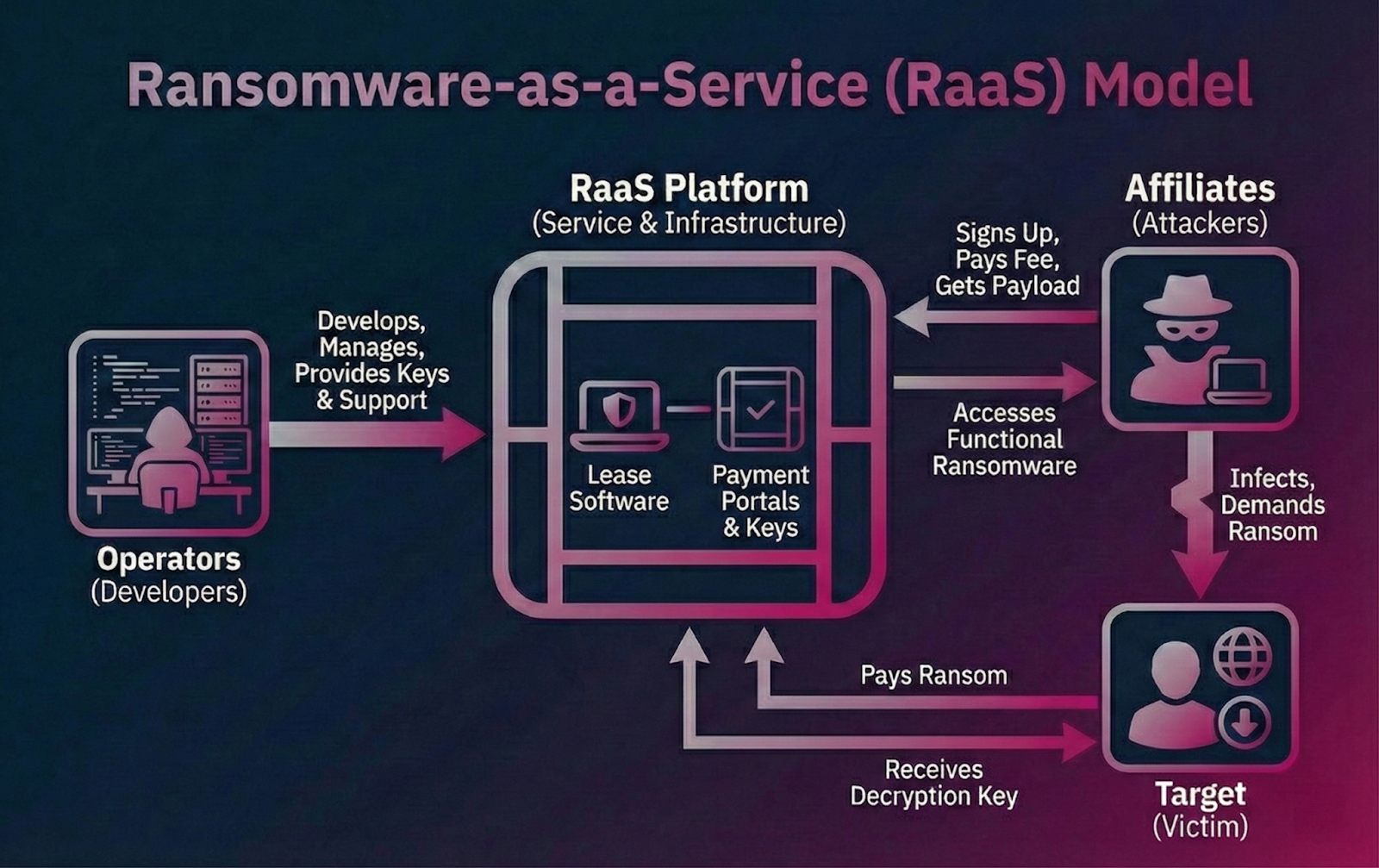
The internet has transformed the way people communicate, shop, and access digital services. However, not every part of the internet operates in the same way. Alongside publicly accessible websites and private online networks, there is also the dark web, a part of the internet that requires specialized software to access and is often associated with privacy, anonymity, and cybersecurity concerns.
One name that has appeared in online discussions about underground digital marketplaces is bclub, which has been associated with discussions involving payment card information and other sensitive financial data.
Understanding how dark web marketplaces operate can help users recognize potential security threats, identify fraudulent online activities, and protect their personal information.
This article explores the concept of dark web marketplaces, explains the broader context surrounding bclub.tk, and examines the cybersecurity, privacy, and legal risks associated with underground digital trading environments.
1. What Is BClub?
BClub is a name associated in online discussions with underground marketplaces reportedly linked to payment card information and other sensitive financial data.
Such platforms are often discussed in the context of carding, a term used to describe fraudulent activities involving payment card information obtained without the cardholder’s consent.
However, it is important to distinguish between online claims and independently verified information. The precise ownership, current operational status, and activities of websites using the BClub name cannot be established from the name alone.
Websites using similar names may also be unrelated, and some may attempt to impersonate existing platforms.
For this reason, users should approach claims about BClub carefully and avoid assuming that a particular website is legitimate simply because it appears in online discussions.
2. Understanding the Dark Web
The dark web is a portion of the internet that is not directly accessible through ordinary web browsing and generally requires specialized software or configurations.
It is commonly distinguished from two other parts of the internet.
The Surface Web
The surface web includes publicly accessible websites that can generally be discovered through search engines.
Examples include news websites, educational resources, public business websites, and online publications.
The Deep Web
The deep web includes online content that is not publicly indexed by search engines.
Examples include private email accounts, online banking portals, subscription databases, and password-protected workspaces.
Much of the deep web consists of ordinary services that people use every day.
The Dark Web
The dark web consists of services designed to operate through networks that provide additional privacy or anonymity.
These networks can support legitimate activities, including privacy-conscious communication, journalism, and access to information in environments where internet use is restricted.
However, some dark web services are also used for illegal activities, including the exchange of stolen financial information and other prohibited goods or services.
Understanding this distinction is important because the dark web is not inherently illegal, but certain activities conducted through it can violate laws.
3. How Do Dark Web Marketplaces Operate?
Dark web marketplaces are online platforms that facilitate interactions between users and sellers within privacy-focused networks.
Some marketplaces have been associated with illegal transactions, while others may operate around different types of goods or services.
Although individual platforms vary, underground marketplaces may share several general characteristics.
Marketplace Listings
A marketplace may organize products or services into categories, allowing visitors to browse listings.
In illicit environments, some listings may involve stolen personal information, compromised accounts, or payment card data.
Such activity can expose individuals and businesses to financial and privacy-related harm.
User Accounts
Some platforms require users to create accounts before accessing certain features.
Accounts may be used to manage activity on the platform, but they can also expose users to risks involving stolen credentials, impersonation, and account compromise.
Communication Systems
Some marketplaces provide internal communication features for interactions between users.
These systems may be used for ordinary customer communication or, in illegal environments, to coordinate unauthorized transactions.
Reputation and Trust Mechanisms
Certain marketplaces use user feedback or seller ratings to create an appearance of reliability.
However, these systems are not necessarily trustworthy. Reviews may be manipulated, fabricated, or influenced by dishonest operators.
A marketplace’s reputation system does not establish that its activities are legitimate or that its users are safe.
4. Why Are Dark Web Marketplaces Associated With Cybercrime?
Dark web marketplaces have received attention because some have been used to facilitate the exchange of stolen information and other illicit goods.
One significant area of concern is financial cybercrime.
Stolen payment card details, compromised account credentials, and personal information may be offered in underground environments.
This information can be misused to attempt unauthorized transactions, compromise accounts, or commit identity-related fraud.
Other forms of criminal activity associated with certain underground marketplaces include the distribution of malicious software and the exchange of unlawfully obtained data.
However, not every dark web service is a marketplace, and not every marketplace is involved in the same activities.
The nature of a particular service must be evaluated based on reliable evidence rather than assumptions about the technology it uses.
5. The Role of Payment Card Information and CVV2 Data
Payment card information is one of the categories of sensitive financial data that has been associated with underground cybercrime.
CVV2 stands for Card Verification Value 2. It is a security code used to help verify certain card-not-present transactions.
For many Visa and Mastercard cards, the CVV2 is a three-digit code printed on the back. American Express generally uses a four-digit security code on the front.
When payment card details are obtained without authorization, criminals may attempt to use them for fraudulent purchases.
However, possessing a card number or CVV2 code does not automatically guarantee that a payment will be approved. Financial institutions and payment processors may use authentication methods and fraud detection systems to identify suspicious activity.
Cardholders should treat payment card details as confidential and report suspected unauthorized activity to their financial institution.
6. Security and Privacy Risks of Underground Marketplaces
Interacting with underground marketplaces can expose users to several potential risks.
Financial Scams
Some websites may make misleading claims about their services or request money under false pretenses.
Users may lose money through deceptive transactions or encounter fraudulent operators.
Personal Information Theft
Untrustworthy websites may collect sensitive information, including email addresses, passwords, and other personal details.
If this information is misused, it can lead to account compromise or identity-related fraud.
Malware and Device Compromise
Certain websites may expose visitors to malicious downloads, deceptive links, or harmful content.
Malware can compromise devices and potentially expose saved passwords, personal files, and other sensitive information.
Legal Consequences
Buying, selling, or knowingly using stolen payment card information can violate criminal laws and financial regulations.
The legal consequences depend on the jurisdiction and the specific conduct involved.
False Claims of Anonymity
Privacy-focused technologies can provide additional protection for some forms of communication, but they do not guarantee complete anonymity.
Mistakes, security weaknesses, deceptive operators, and other factors can expose users to privacy risks.
Users should not assume that activity conducted through a privacy-focused network is automatically untraceable or risk-free.
7. How Do Authorities Address Illegal Marketplace Activity?
Law enforcement agencies and cybersecurity organizations investigate cybercrime through a variety of methods.
These efforts may include analyzing digital evidence, investigating financial transactions, working with affected businesses, and cooperating across national borders.
Investigations can target the operators of illegal marketplaces, individuals involved in financial fraud, and networks responsible for distributing stolen information.
Cybersecurity researchers also help identify threats by studying malicious infrastructure, documenting attack patterns, and sharing information about emerging risks.
However, investigations involving underground digital environments can be complex because operators, infrastructure, and affected individuals may be located in different countries.
Cooperation between financial institutions, technology providers, and law enforcement agencies can help improve the response to online financial crime.
8. How Can Users Protect Themselves From Related Threats?
Online safety begins with protecting personal information and recognizing suspicious digital activity.
Here are several practical steps users can take.
Use Strong, Unique Passwords
Create a different password for each important online account.
A password manager can help generate and securely store strong passwords.
Enable Multifactor Authentication
Multifactor authentication adds another layer of protection beyond a password.
Enable it for banking, email, and other important accounts whenever possible.
Keep Devices Updated
Install security updates for your operating system, browser, and applications.
Updates can address vulnerabilities that attackers may otherwise exploit.
Avoid Suspicious Websites and Downloads
Be cautious about unfamiliar websites that request sensitive information or encourage you to install unknown software.
Do not open unexpected attachments or follow suspicious links.
Monitor Financial Transactions
Review bank and card statements regularly.
Enable transaction alerts where available and contact your financial institution if you notice unfamiliar activity.
Protect Personal Information
Avoid sharing passwords, payment card details, or other sensitive information with unverified websites or individuals.
Use trusted services when making online payments.
9. What Should You Do If Your Information Is Compromised?
If you suspect that your payment card details or account credentials have been exposed, taking prompt action can help reduce potential losses.
Follow these steps:
- Contact your bank or card issuer. Report the suspected exposure through an official communication channel.
- Lock your payment card if possible. Many banking applications offer a temporary card-locking feature.
- Review recent transactions. Report unfamiliar payments to your financial institution.
- Request a replacement card if necessary. Your bank can determine whether replacement is appropriate.
- Change affected passwords. Update credentials for accounts that may have been compromised.
- Enable additional security measures. Turn on multifactor authentication wherever available.
- Follow official guidance. Your bank or service provider can explain the appropriate next steps.
Taking these measures promptly can help limit the risk of further unauthorized activity.
10. Frequently Asked Questions (FAQs)
What is BClub?
BClub is a name associated in online discussions with underground marketplaces reportedly linked to payment card information and other sensitive financial data. Its precise ownership and current activities should not be assumed without reliable verification.
Is BClub a dark web marketplace?
BClub has been discussed in connection with underground marketplace activity. However, the exact nature and current operational status of any website using this name cannot be established from the name alone.
What is the difference between the deep web and the dark web?
The deep web includes online content that is not publicly indexed by search engines, such as private accounts and password-protected services. The dark web is a smaller part of the internet that generally requires specialized software or configurations to access.
Are all dark web marketplaces illegal?
No. The dark web supports both legitimate and illegal activities. However, marketplaces involved in stolen financial information or unauthorized transactions can present significant legal and security risks.
Can dark web marketplaces expose personal information?
Yes. Depending on the activity involved, stolen personal information may be exchanged or misused, potentially exposing individuals to fraud and account compromise.
How can I protect myself from financial fraud?
Use trusted payment services, enable account security features, monitor financial transactions, and contact your bank promptly if you suspect unauthorized activity.
Conclusion
BClub has been mentioned in discussions about underground marketplaces and payment card information, highlighting broader concerns about the relationship between dark web environments and financial cybercrime.
Understanding how dark web marketplaces operate can help users recognize the risks associated with stolen data, fraudulent transactions, and untrustworthy websites.
Although privacy-focused technologies have legitimate uses, they can also be misused to facilitate illegal activities. The risks depend on the specific platform, its activities, and the information users share.
The key to online safety is awareness, responsible digital behavior, and strong security practices. By protecting personal information, using trusted services, and monitoring financial accounts, users can reduce their exposure to online threats and make more informed decisions in an increasingly connected digital world.