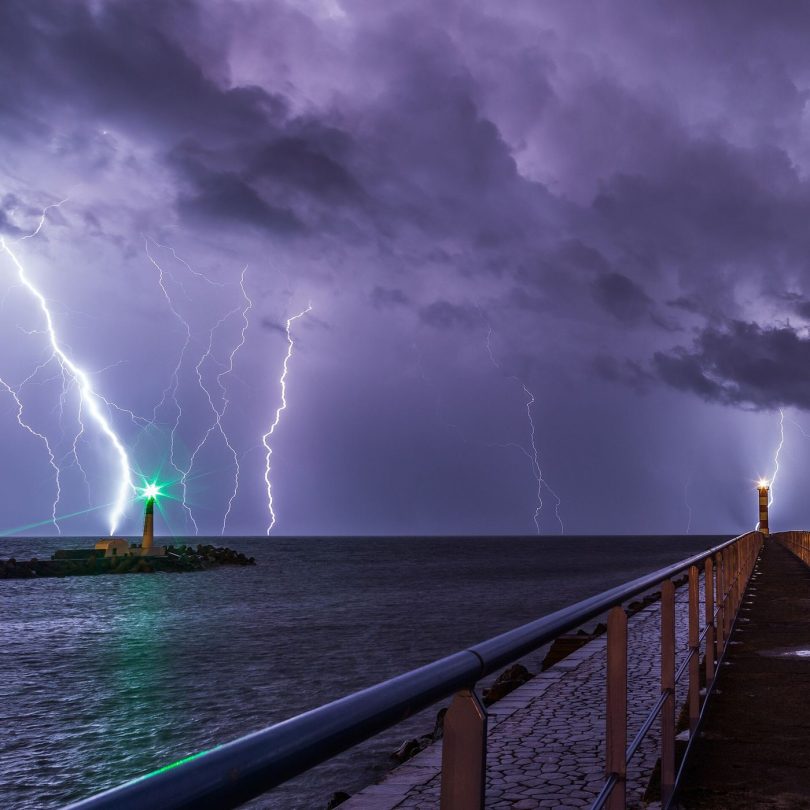

Volunteer storm watchers are helping scientists check the accuracy of lightning maps by reporting exactly what they see and hear during passing thunderstorms. Detection networks locate strikes electronically within seconds, but their estimates of position and strength still need ground truth, especially in hilly areas and near tall buildings where signals behave unpredictably. Volunteers use a simple reporting form to note the time of each flash, the delay before thunder and whether the strike appeared to hit ground or stay within the cloud. Researchers say even approximate reports become valuable when dozens arrive from the same storm, because patterns in the errors reveal where the network needs adjustment. The project asks observers to watch only from safe indoor locations, and it rejects any report that suggests someone went outside to get a better view. Early contributors include weather enthusiasts, farmers and night-shift workers who already watch storms as part of their routines around the country in recent seasons.
What the Evidence Shows
Scientists compare the reports against radar and satellite records to separate genuine network errors from simple human misjudgement of distance. Specialists following ground reports verifying lightning maps say the volunteer data is especially useful for cloud-to-cloud flashes, which automated systems classify least reliably. The team publishes plain-language summaries after each major storm so contributors can see how their observations changed the final maps. Schools have asked for classroom materials based on the project, with strict safety guidance included. The network of volunteers is expected to grow before the main summer storm season begins. Contributors receive basic training in estimating thunder delay and describing flash behaviour, which improves consistency between reports from different places. The researchers are also comparing volunteer coverage with population patterns, since empty rural areas naturally produce fewer reports. Understanding those gaps helps the team weight the evidence properly instead of treating silence as proof that nothing happened overhead. Reporting and analysis from sources such as Nature track the same developments, and specialists following ground reports verifying lightning maps say the direction is now consistent across independent lines of evidence.
The Wider Context
The wider context is a research landscape in which replication and open data now decide reputations. Findings connected to ground reports verifying lightning maps are being checked by independent groups with shared datasets, and the teams involved publish their methods in full so rivals can test every step. That discipline is slower than a headline cycle, but it is why results in this area increasingly survive first contact with scrutiny.
What Happens Next
What happens next in the story of ground reports verifying lightning maps will be decided by follow-up work already under way: larger samples, longer observation and instruments that have not yet come online. The researchers involved are unusually united on one point, that the current results justify the next investment of time and money. Readers will not have to wait long for the first tests of that claim. You can follow related developments in our coverage of science.
None of this will be settled by a single announcement, study or product launch. The pattern to watch is accumulation: independent confirmations, honest reporting of failures and steady improvement in the underlying numbers. Readers who follow those signals, rather than the loudest claim of the week, will understand this subject better than most of the commentary surrounding it suggests is possible.