
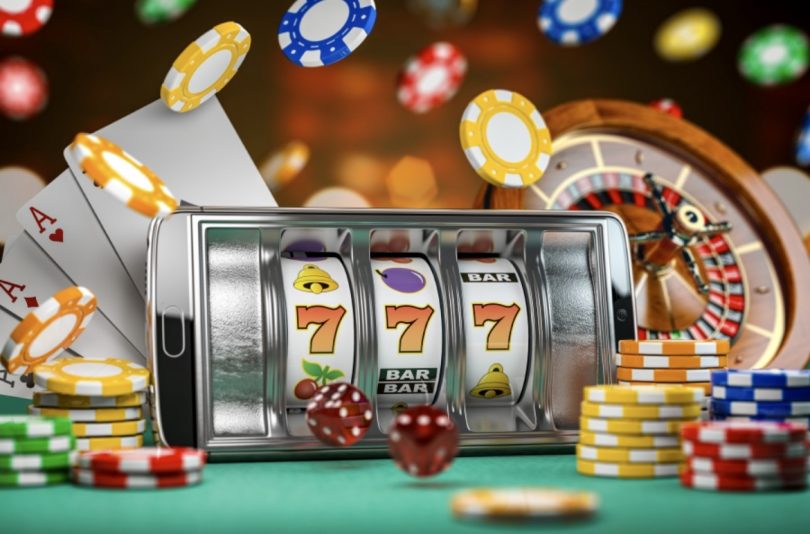

Slot machines have come a long way since their humble beginnings in the late 19th century. What started as simple mechanical devices has transformed into one of the most technologically advanced and popular forms of casino entertainment worldwide. The journey of slot machines reflects innovation, player demand, and the rapid growth of digital gaming.
The first recognizable slot machine was invented by Charles Fey in the 1890s. Known as the Liberty Bell, this mechanical ทดลองเล่นสล็อต featured three spinning reels and five symbols. Players pulled a lever to spin the reels, hoping to land matching symbols for a payout. Its simplicity made it an instant hit in bars and saloons across the United States.
As demand grew, manufacturers began improving designs. Fruit symbols, introduced in the early 1900s, became iconic. These machines often paid out chewing gum or candy instead of cash due to gambling restrictions. Despite legal challenges, slot machines continued to spread in popularity because of their ease of play and exciting outcomes.
The biggest transformation came with electromechanical slots in the 1960s. Bally’s “Money Honey” machine introduced automatic payouts and more complex reel systems. This innovation allowed for larger ทดลองเล่นสล็อต pg and more engaging gameplay. Players no longer needed an attendant to collect winnings, which made the experience smoother and more appealing.
The digital revolution of the 1980s and 1990s changed everything. Video slots replaced physical reels with virtual ones displayed on screens. This allowed developers to add bonus rounds, animations, multiple paylines, and themed storytelling. Popular culture themes—movies, TV shows, and mythology—became central to slot design.
Online casinos in the late 1990s and early 2000s brought slots into homes worldwide. Players could now enjoy thousands of slot variations on computers and, later, smartphones. Progressive jackpots linked machines globally, creating life-changing prize pools worth millions.
Modern slot machines use Random Number Generators (RNGs) to ensure fairness. These algorithms produce random results for every spin, making outcomes independent and unpredictable. Today’s slots also feature 3D graphics, immersive soundtracks, and interactive gameplay mechanics.
In recent years, mobile gaming has dominated the slot landscape. Developers optimize games for touchscreens, portrait mode, and quick play sessions. Cryptocurrency casinos and VR slots are pushing the boundaries even further, offering new ways to experience spinning reels.
From mechanical levers to virtual reality, slot machines have continuously adapted to technological progress. Their evolution reflects not just innovation but also their timeless appeal—simple gameplay combined with the thrill of chance. As technology advances, slots will likely become even more immersive, social, and rewarding for players worldwide.