
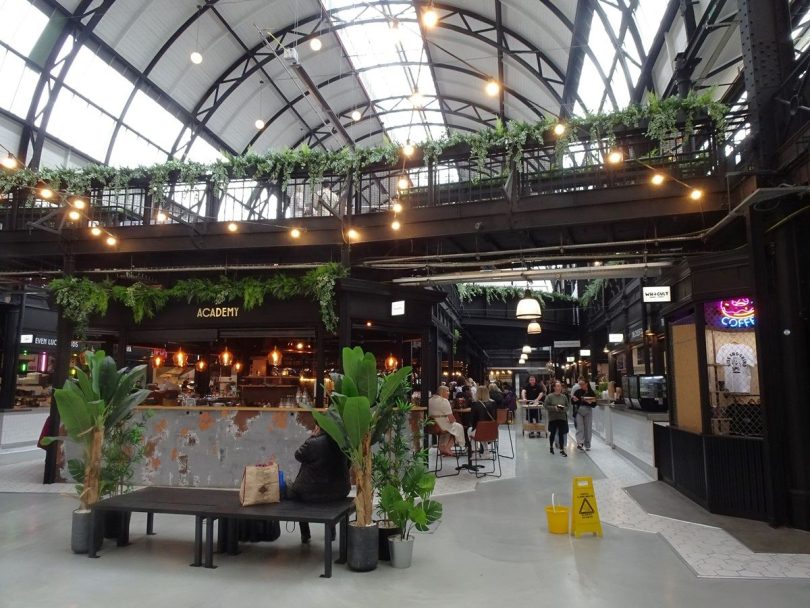

Indoor markets are offering low-cost start-up stalls to young traders as part of efforts to fill empty units and bring new energy to town centre shopping. The schemes typically provide a stall for a reduced rent during the first months, along with mentoring from established traders on pricing, display and dealing with suppliers. Market managers say young sellers bring products that draw a different crowd, from handmade goods and vintage clothing to specialist foods and repair services, and that a busier hall benefits every trader within it. For the new traders themselves, a market stall offers a way to test whether a hobby or online side project can become a business, without committing to a shop lease and full business rates. Several participants in earlier rounds have gone on to take permanent stalls or small shops nearby, which managers present as evidence that markets can act as incubators for local enterprise. Applications are judged on the quality of the idea and how it complements existing stalls, rather than on previous trading experience alone.
What the Evidence Shows
Established traders have generally welcomed the new arrivals, while asking managers to ensure that subsidised stalls do not undercut neighbours selling similar goods at full rent. The programmes therefore set clear time limits on reduced rates and encourage start-ups to join the same rotas and opening hours as everyone else. Business advisers involved in the schemes help traders with the less visible parts of running a stall: registering for tax, keeping simple records, arranging insurance and understanding food hygiene or product safety rules where they apply. Footfall figures are shared openly so participants can see which days and events bring in the most customers. Market managers are also pairing the stalls with evening events and family activities to introduce new visitors to the hall. For towns working to revive their centres, the approach offers a relatively low-cost experiment with visible results. Empty units look different once occupied, and each new trader brings their own customers, family and online followers through the doors, gradually rebuilding the habit of visiting. Reporting and analysis from sources such as BBC News track the same developments, and specialists following start-up stalls for young traders say the direction is now consistent across independent lines of evidence.
The Wider Context
The wider context is a public conversation conducted at a speed institutions were not built for. Developments around start-up stalls for young traders are announced, contested and revised within a single news cycle, and the officials involved have learned to publish evidence alongside claims so that scrutiny can actually occur. Trust, the polling suggests, follows that transparency more than it follows confidence.
What Happens Next
What happens next in the story of start-up stalls for young traders will be decided in the places where it is being implemented, measured and argued about in public. The officials and organisations involved have committed to publishing progress data, and that commitment gives residents, businesses and journalists something firmer than promises to judge. The next milestones are dated, which means they can be checked. You can follow related developments in our coverage of news.
None of this will be settled by a single announcement, study or product launch. The pattern to watch is accumulation: independent confirmations, honest reporting of failures and steady improvement in the underlying numbers. Readers who follow those signals, rather than the loudest claim of the week, will understand this subject better than most of the commentary surrounding it suggests is possible.