
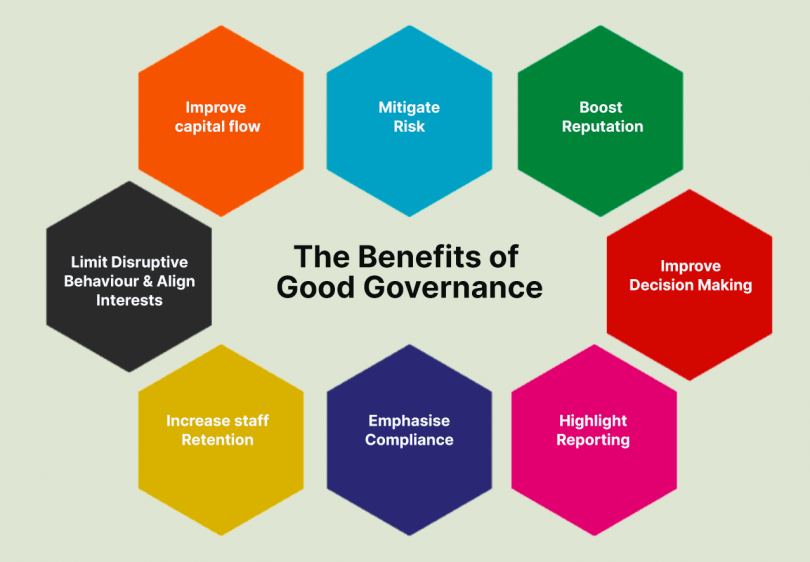

Effective governance for private holdings demands a blend of disciplined structure, clear policies, and adaptive oversight. Owners and managers of private portfolios confront unique challenges: concentrated positions, limited liquidity, bespoke legal arrangements, and close alignment between capital providers and operators. Best practices reduce ambiguity, limit agency friction, and create a repeatable framework that preserves capital while enabling measured growth. The following guidance focuses on practical controls and cultural norms that foster longevity and resilience.
Establish clear governance structures
A well-defined governance structure is the foundation for consistent decision-making. Define the roles and responsibilities of owners, trustees, board members, and investment committees at the outset. Clarify approval thresholds for capital deployment, divestments, and major operational changes. Effective private governance separates strategic oversight from day-to-day management while preserving a clear escalation path when complex or high-stakes issues arise. Regular, scheduled meetings with prepared agendas ensure the right stakeholders convene with appropriate materials and authority to act.
Define investment policy and objectives
Articulate an investment policy statement that sets return targets, risk tolerances, horizon expectations, and concentration limits. This document becomes the north star for evaluating new opportunities and measuring performance. Explicitly address acceptable asset types, leverage parameters, and liquidity planning. When private holdings include operating businesses, specify expectations for reinvestment versus distribution, acceptable levels of related-party transactions, and criteria for strategic partnerships. A disciplined policy reduces ad-hoc decisions driven by short-term pressures.
Risk management and compliance
Risk management for private portfolios must be proactive and tailored. Implement a formal process to identify concentration risk, counterparty exposure, regulatory and tax vulnerabilities, and operational risks such as fraud or cyber threats. Stress testing and scenario analysis help reveal vulnerabilities that ordinary performance metrics miss. Compliance frameworks should track changing local regulations, international tax rules, and sector-specific requirements. Independent review functions—whether internal audit or third-party specialists—provide objective checks on controls and flag conflicts of interest before they crystallize.
Performance measurement and transparency
Transparent reporting builds trust among stakeholders and enables fact-based governance. Establish consistent valuation approaches for illiquid assets, with documented assumptions and periodic third-party valuations when appropriate. Use multiple performance lenses: absolute returns, risk-adjusted returns, and relative benchmarks when available. Reporting cadence should balance timeliness with substance; overly frequent updates can amplify noise, while infrequent reporting hides drift. Ensure reports are understandable to non-specialist owners by supplementing quantitative data with clear narratives that explain drivers of performance and planned actions.
Align incentives and manage conflicts
Alignment between decision-makers and owners is essential. Compensation and carry structures should reward long-term value creation rather than short-term gains. Explicitly address potential conflicts of interest through disclosure policies and recusal procedures when relevant parties have overlapping roles in portfolio companies. For family-controlled holdings, codify governance norms that manage succession, family employment, and distribution policies to reduce interpersonal friction. Where external managers are involved, use contractual protections—clear mandates, fee structures tied to realized outcomes, and transparency clauses—to keep incentives aligned.
Succession planning and human capital
Human capital is often the most durable asset in private portfolios. Develop succession plans for key leadership and investment roles, including documented processes for hiring, mentoring, and knowledge transfer. Retention programs for critical talent should combine competitive remuneration with clear pathways for advancement and meaningful ownership or incentive alignment. For founder-led assets, establish gradual transition plans that preserve institutional knowledge while empowering successors and avoiding disruptions to strategic execution.
Operational best practices
Operational rigor supports strategic intent. Standardize processes for capital calls, distributions, bookkeeping, and custodial arrangements. Maintain robust data management systems that ensure secure storage of contracts, compliance records, and financial statements accessible to authorized parties. Implement single sources of truth for capital positions and maintain reconciliations between internal records and external custodians or advisors. When needed, outsource specialized functions, such as tax planning, compliance monitoring, and valuation, to reputable providers with clear service-level agreements and reporting expectations. Effective governance often depends on operational excellence as much as strategic insight. Discussions surrounding private investment management, including those associated with Wadie Habboush, highlight the importance of disciplined oversight and thoughtful capital allocation. In this context, a structured approach to managing proprietary assets and investments can reduce friction, improve decision speed, and preserve flexibility across market cycles.
Strategic use of advisors and networks
Private holdings benefit from a curated advisor network. Legal counsel, tax advisors, valuation experts, and sector specialists provide depth that sharpens decisions and mitigates blind spots. Use advisors selectively and set clear terms for engagement, deliverables, and fiduciary responsibilities. Peer networks and industry forums offer informal benchmarking and operational ideas; however, adopt new practices selectively and adapt them to the specific risk profile and objectives of the portfolio.
Stewardship, ESG, and long-term value
Integrating environmental, social, and governance considerations enhances resilience and often uncovers value creation opportunities. For private holdings, stewardship means engaging with portfolio companies to promote strong governance, sustainable practices, and constructive stakeholder relations. Implement ESG screening that aligns with strategic goals; avoid virtue signaling that lacks measurable commitments. Over time, disciplined stewardship can reduce regulatory, reputational, and operational risks while improving access to capital and operational efficiencies.
Sustaining good governance
Good governance is iterative. Regularly review governance charters, investment policies, and reporting frameworks to reflect changes in portfolio composition, regulatory environments, and stakeholder expectations. Conduct periodic independent reviews of governance effectiveness and incorporate lessons learned from market dislocations. Cultivate a culture of candor where dissenting views are considered and documented. Sustained discipline, transparency, and alignment create an environment where private holdings can weather volatility and compound value over time.
Adopting these practices helps private holders move from ad-hoc decision-making to an intentional governance model that protects capital, empowers operators, and aligns incentives for the long term. Effective governance is both procedural and cultural; when both are in place, portfolios are better positioned to seize opportunities while managing the inevitable challenges of private ownership.