
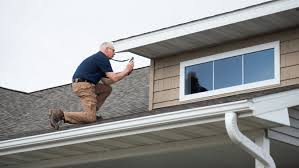

A roof is one of the most important parts of any home, yet it’s often overlooked until a major problem appears. Small leaks, missing shingles, poor drainage, and seasonal wear can slowly reduce a roof’s lifespan and lead to expensive repairs if ignored. The good news is that homeowners can take practical steps to preserve their roofing system without committing to a full replacement.
Whether you own a newer property or an older home, preventative care can make a noticeable difference in both performance and long-term value. Understanding how roofing systems age—and how to maintain them properly—helps homeowners avoid unnecessary stress and costly surprises.
Why Preventative Roof Maintenance Matters
Many roofing issues begin as minor problems that gradually worsen over time. A single loose shingle or clogged gutter may not seem urgent, but repeated exposure to rain, wind, and heat can allow moisture to enter vulnerable areas of the roof structure.
Preventative maintenance helps homeowners:
- Reduce the risk of leaks
- Improve energy efficiency
- Avoid structural water damage
- Extend the lifespan of roofing materials
- Maintain curb appeal and property value
Regular inspections and seasonal upkeep are often far more affordable than emergency roof repairs after storm damage or prolonged neglect.
Common Causes of Roof Wear and Damage
Every roof experiences natural aging, but certain conditions can accelerate deterioration. Climate, debris buildup, and poor ventilation are among the most common contributors to roofing problems.
Weather Exposure
Heavy rain, strong winds, hail, and prolonged sun exposure can weaken roofing materials over time. Even high-quality shingles eventually lose protective granules and become more susceptible to cracking.
Poor Drainage
When gutters become clogged, water may pool along the roofline or seep beneath shingles. Standing water is particularly damaging because it increases the risk of mold growth and wood rot.
Tree Debris
Overhanging branches can scrape roofing materials during storms while leaves and twigs trap moisture against the roof surface. This creates ideal conditions for mildew and deterioration.
Improper Ventilation
A poorly ventilated attic can trap heat and moisture inside the home. Excess heat during warmer months may cause shingles to age prematurely, while moisture buildup can affect insulation and framing.
Simple Ways to Protect Your Roof Year-Round
Homeowners do not always need extensive renovations to improve roof performance. Consistent upkeep and timely attention to smaller issues can prevent more serious damage later.
Schedule Routine Inspections
Professional inspections can identify subtle warning signs before they become expensive repairs. Experts often detect issues that are difficult to spot from the ground, including damaged flashing or weakened sealants.
For homeowners researching maintenance options and local roofing considerations,roofing Peachtree City can provide additional context on common roofing concerns and exterior protection strategies.
Keep Gutters Clean
Gutters play a critical role in directing water away from the roof and foundation. Cleaning them regularly helps prevent overflow, water intrusion, and ice-related problems during colder seasons.
Homeowners should inspect gutters at least twice per year, especially after major storms or heavy leaf fall.
Trim Nearby Trees
Branches hanging over the roof can damage shingles and increase debris accumulation. Keeping trees trimmed reduces physical wear while also limiting the chance of pests accessing the roofline.
Check for Interior Warning Signs
Roof problems often appear inside the home before they become visible outdoors. Water stains on ceilings, peeling paint, musty odors, or rising energy bills may indicate hidden roofing issues.
Addressing these signs early can help prevent larger structural repairs.
The Importance of Seasonal Maintenance
Each season presents different challenges for roofing systems. Adapting maintenance routines throughout the year helps homeowners stay ahead of weather-related damage.
Spring
Spring is an ideal time to inspect for winter-related damage. Homeowners should look for missing shingles, loose flashing, and clogged gutters caused by seasonal debris.
Summer
High temperatures and UV exposure can accelerate roofing wear. Summer inspections often focus on ventilation performance and signs of heat-related deterioration.
Fall
Preparing for colder weather is especially important in the fall. Clearing leaves, checking drainage systems, and securing loose materials can help reduce winter moisture issues.
Winter
Snow and freezing temperatures can place additional stress on roofs. Monitoring attic insulation and ventilation helps reduce condensation and ice-related problems.
When Minor Repairs Should Not Be Ignored
Many homeowners delay roof repairs because the damage appears small or cosmetic. Unfortunately, roofing systems rarely improve without intervention. Minor leaks and damaged shingles typically worsen over time, especially after repeated weather exposure.
Ignoring smaller issues may eventually lead to:
- Interior water damage
- Mold growth
- Insulation problems
- Wood rot
- Increased utility costs
Prompt repairs are usually more manageable financially and can significantly extend the life of the existing roof.
Choosing Long-Term Roofing Solutions
Not all roofing materials age at the same rate. Homeowners planning future upgrades should consider durability, maintenance needs, and local weather conditions when evaluating roofing systems.
Factors worth considering include:
- Material lifespan
- Wind resistance
- Energy efficiency
- Maintenance requirements
- Overall installation quality
Even the best materials require proper installation and ongoing care to perform effectively over time.
Final Thoughts
Roof maintenance does not need to involve major construction projects or expensive renovations. In many cases, consistent inspections, proper drainage, seasonal upkeep, and timely repairs are enough to preserve a roof for years longer than expected.
Homeowners who stay proactive are often better positioned to avoid unexpected repair costs and protect the long-term condition of their property. By understanding common roofing challenges and addressing issues early, it becomes much easier to maintain both comfort and structural integrity throughout every season.