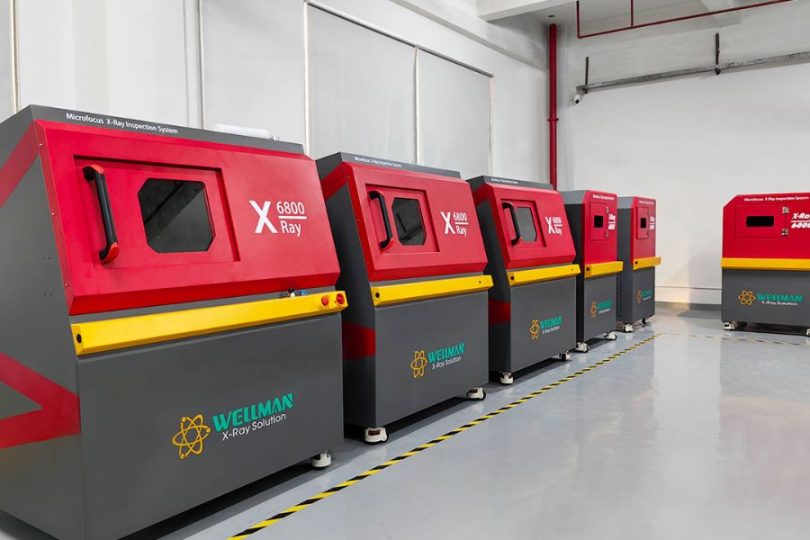

Modern industrial inspection processes rely heavily on precision imaging systems to ensure product quality, structural integrity, and operational safety. One of the most significant advancements in this field is the use of compact X-ray technologies that deliver high-performance imaging in a reduced footprint. Many compact X-ray source manufacturers have focused on developing systems that improve efficiency while maintaining stable and accurate inspection results.
Evolution Of Compact Imaging Systems In Industry
Earlier inspection setups required large, complex equipment that demanded significant installation space and maintenance effort. Compact systems have changed this landscape by offering streamlined designs that retain high imaging performance.
- Space Efficient System Design
Compact X-ray systems are designed to occupy minimal physical space while maintaining full inspection capabilities. This allows manufacturers to integrate inspection units directly into production lines without disrupting workflow. The reduced footprint also makes it easier to install systems in facilities where space optimization is essential. - Improved Integration Flexibility
Modern compact systems can be easily integrated into automated production environments. Their adaptable design allows them to function alongside robotics and conveyor systems. This flexibility supports continuous inspection processes, reducing downtime and improving production efficiency. - Enhanced Operational Stability
Despite their smaller size, compact systems are engineered for high stability during continuous operation. This ensures consistent imaging results even in demanding industrial environments where equipment operates for extended hours.
Precision Imaging And Electrical Control Systems
The performance of compact X-ray systems depends heavily on precise electrical regulation and stable radiation generation. In many advanced systems developed by compact X-ray source manufacturers, precision control is achieved through carefully engineered voltage and current management systems that ensure consistent imaging output.
- Stable Radiation Output Control
Consistent radiation generation is essential for producing reliable inspection images. Stable electrical input ensures that the X-ray beam maintains uniform intensity throughout the inspection process. This consistency helps operators detect defects and structural inconsistencies with higher accuracy. - High Resolution Image Production
Precise electrical regulation enables compact systems to produce high-resolution images that reveal fine structural details. This is particularly important in industries such as electronics manufacturing, where even microscopic defects can impact product performance. - Reduced Signal Distortion
Electrical stability helps minimize interference and signal noise during imaging. This ensures that captured images remain clear and free from distortion, allowing for accurate interpretation of inspection results.
Industrial Applications And System Adaptability
Compact X-ray systems are widely used across various industries due to their adaptability and reliable performance. Their ability to deliver accurate inspection results in a compact form makes them suitable for a range of applications.
Within many advanced systems, VJ X-Ray OEM solutions are integrated to support customized inspection requirements for different industrial environments.
- Electronics Manufacturing Inspection
Compact systems are commonly used to inspect printed circuit boards and electronic assemblies. They help identify soldering defects, alignment issues, and internal component failures. This ensures that electronic devices meet strict quality standards before reaching the market. - Automotive Component Testing
Automotive industries rely on X-ray inspection to verify the integrity of critical components. Compact systems enable fast and accurate inspection of engine parts, castings, and assemblies. This improves safety and reliability in automotive manufacturing. - Aerospace Material Analysis
In aerospace applications, material integrity is crucial. Compact X-ray systems are used to inspect composite materials and structural components for internal flaws. This helps ensure that aircraft components meet stringent safety requirements.
System Efficiency And Operational Performance
Efficiency is a key advantage of compact X-ray systems. Their streamlined design not only reduces physical space requirements but also enhances operational performance. These systems are engineered to deliver consistent results while minimizing energy consumption and maintenance needs.
- Optimized Energy Consumption
Compact systems are designed to operate efficiently while minimizing power usage. This helps reduce operational costs while maintaining high imaging performance. Energy-efficient designs also contribute to more sustainable industrial operations. - Reduced Maintenance Requirements
Fewer mechanical components and simplified system architecture reduce the need for frequent maintenance. This allows manufacturers to maintain continuous operation with minimal interruptions. Lower maintenance demands also reduce long-term operational expenses. - Consistent Long-Term Performance
Compact systems are built for durability and long-term stability. Their ability to maintain consistent imaging quality over extended periods ensures reliable inspection results throughout their lifecycle.
Technological Advancements In X-Ray Source Design
Continuous advancements in X-ray technology have significantly improved the performance of compact systems. Innovations in design, materials, and control systems have enhanced both imaging quality and operational reliability.
- Advanced Miniaturization Techniques
Modern engineering methods allow X-ray components to be reduced in size without compromising performance. This miniaturization enables the development of highly compact systems suitable for space-constrained environments. - Improved Thermal Management Systems
Heat management is a critical factor in X-ray system performance. Advanced cooling technologies ensure that compact systems maintain stable operating temperatures, preventing overheating and performance degradation. - Enhanced Digital Control Systems
Modern compact X-ray systems incorporate digital controls that allow precise adjustment of imaging parameters. This improves system flexibility and enables operators to customize inspection settings based on application requirements.
Role Of Compact Systems In Quality Assurance
Quality assurance processes in modern manufacturing rely heavily on accurate and repeatable inspection results. Compact X-ray systems play a crucial role in ensuring that products meet required quality standards before distribution.
- Improved Defect Detection Accuracy
Compact systems provide high-resolution imaging that helps identify internal defects that may not be visible through traditional inspection methods. This improves overall product quality and reduces the risk of defective components reaching end users. - Faster Inspection Cycles
The efficiency of compact systems allows for quicker inspection cycles without compromising accuracy. This is particularly beneficial in high-volume manufacturing environments where speed and precision are equally important. - Enhanced Process Control
Continuous inspection data helps manufacturers monitor production quality in real time. This allows for immediate adjustments in manufacturing processes, improving overall efficiency and reducing material waste.
Conclusion
Compact X-ray systems have become essential tools in modern industrial inspection due to their efficiency, reliability, and adaptability. Their ability to deliver high-quality imaging in a compact design has transformed quality assurance processes across multiple industries. From electronics manufacturing to aerospace inspection, these systems provide the precision required for critical applications.
As technology continues to evolve, the role of advanced system integration and customized solutions becomes increasingly important. Companies specializing in X-ray technology, such as VJ X-Ray, continue to support innovation in this field through advanced engineering capabilities and VJ X-Ray OEM solutions, enabling industries to achieve higher levels of inspection accuracy and operational efficiency.