
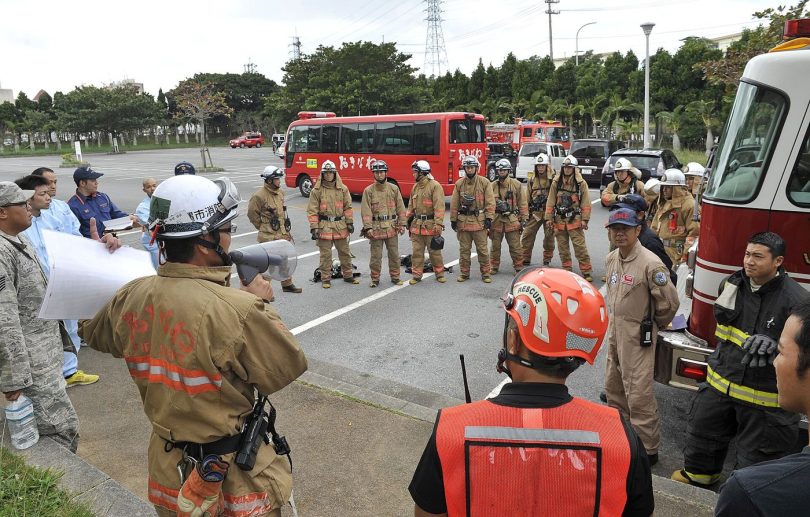

Fire services are adapting their training for hotter summers and taller buildings, as changing weather patterns and urban growth create new risks for firefighters and the communities they protect. Longer heatwaves are drying out vegetation and raising the risk of wildfires spreading into suburbs, while cities continue to build upwards, with residential towers that present complex evacuation and access challenges. Training programmes now include scenarios that combine both problems at once, such as a fire spreading through dry grassland toward high-rise housing. Fire chiefs say the work also covers new hazards, including lithium batteries in electric vehicles and home storage systems, which burn differently from conventional fuels and require different tactics. The aim is to make sure crews are prepared for incidents that were rare a decade ago but are becoming routine, and to share lessons quickly between services facing similar pressures.
What the Evidence Shows
The training changes are backed by investment in equipment and planning. Services are buying drones to map wildfires, thermal cameras to find hotspots and high-reach appliances that can pump water to upper floors. Joint exercises with ambulance services, police and local councils are becoming more common, since large incidents now require a coordinated response across agencies. Prevention work has also expanded, with firefighters visiting homes to fit smoke alarms and advise on escape plans, and working with developers to ensure new buildings include proper fire breaks and access for appliances. Recruitment is another focus, as services seek people with the fitness and judgement the job demands, and retention is a concern where pay has not kept pace with other emergency roles. Researchers are studying how heat affects firefighters themselves, since working in heavy protective gear during extreme temperatures carries its own health risks. The overall message from the sector is that preparation, rather than reaction, is the only way to keep pace with the changing risk. Reporting and analysis from sources such as BBC News track the same developments, and specialists following fire service training say the direction is now consistent across independent lines of evidence.
The Wider Context
The wider context is a public conversation conducted at a speed institutions were not built for. Developments around fire service training are announced, contested and revised within a single news cycle, and the officials involved have learned to publish evidence alongside claims so that scrutiny can actually occur. Trust, the polling suggests, follows that transparency more than it follows confidence.
What Happens Next
What happens next in the story of fire service training will be decided in the places where it is being implemented, measured and argued about in public. The officials and organisations involved have committed to publishing progress data, and that commitment gives residents, businesses and journalists something firmer than promises to judge. The next milestones are dated, which means they can be checked. You can follow related developments in our coverage of news.
None of this will be settled by a single announcement, study or product launch. The pattern to watch is accumulation: independent confirmations, honest reporting of failures and steady improvement in the underlying numbers. Readers who follow those signals, rather than the loudest claim of the week, will understand this subject better than most of the commentary surrounding it suggests is possible.